Bunny Font: The Charming Script for Modern Design
When you’re working on a project that requires a personal touch, standard corporate typefaces often fall flat. You need something that feels handcrafted and inviting. This is exactly where the Bunny font steps in. It isn't just a collection of letters; it is a design asset that brings instant warmth and personality to the table. As a premium font choice, it bridges the gap between casual handwritten fonts and polished display typography, offering a unique solution for creators who want their work to feel approachable yet professional.
Understanding the Visual Personality of Bunny
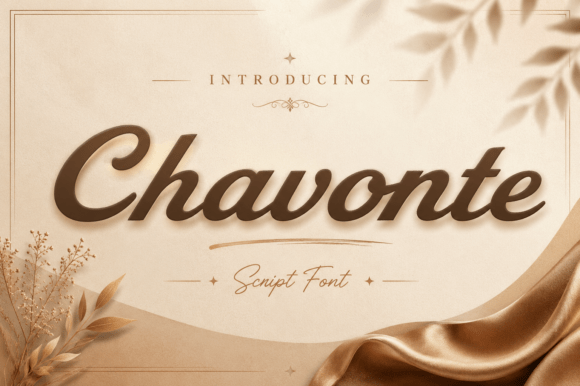
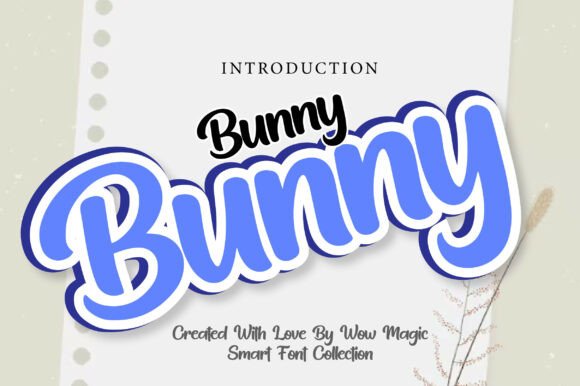
At its core, Bunny is a bold script font characterized by its thick strokes and rounded curves. Unlike aggressive or overly complex calligraphy styles, this typeface opts for smooth, flowing shapes. This design choice creates a lovable and playful aesthetic that doesn't overwhelm the viewer. The visual weight of the letters ensures that it stands out immediately, making it an excellent display font for headers and focal points.
The "bold" nature of the font is particularly useful in modern typography. Thin scripts can often get lost in busy layouts or become illegible when printed at smaller sizes. However, the sturdy construction of Bunny ensures high visibility. Whether you are placing it against a textured background or a solid color, the letters maintain their integrity. It captures the essence of a handwritten font but with the consistency and precision required for commercial use.
Where This Creative Font Truly Shines
One of the greatest strengths of Bunny is its versatility across different mediums. It is not limited to a single industry. Instead, it adapts to the context of your project, making it a valuable addition to any designer's toolkit.
- Kids Branding and Nursery Decor: The rounded edges and soft curves make this typeface ideal for children's products. It feels safe, happy, and energetic. If you are designing nursery wall art or branding for a pediatric clinic, Bunny sets the right emotional tone immediately.
- Packaging Design: On product packaging, especially for bakeries, confectioneries, or artisanal goods, this font helps convey a sense of handmade quality. It suggests that care and love went into the product inside.
- Social Media Graphics: In the fast-scrolling world of social media, you have milliseconds to capture attention. The bold nature of this script font makes quotes, announcements, and headers pop on platforms like Instagram and Pinterest.
- Event Stationery: Birthday invitations, baby shower invites, and greeting cards are natural fits. The font injects a celebratory vibe that formal serif fonts or standard sans serif fonts simply cannot replicate.
Design Strategy: Pairing and Hierarchy
Using a script font effectively requires a bit of strategy, particularly regarding font pairing. Because Bunny is expressive and bold, it works best when contrasted with something simpler. A common mistake in logo design or editorial design is pairing a complex script with another decorative font. This creates visual clutter.
Instead, consider pairing Bunny with a clean sans serif font. The simplicity of the sans serif will ground the design, allowing the script to take center stage without competing for attention. This combination helps establish a clear visual hierarchy. Use Bunny for your main headline or the brand name to draw the eye, and use a standard typeface for the body text to ensure readability.
Readability is a crucial consideration. While Bunny is designed to be legible, it is still a display font. It is meant for short bursts of text—logos, slogans, and headers. Avoid using it for long paragraphs of body copy. In web design, for example, it is best reserved for hero sections or call-to-action buttons, while the main content remains in a web-safe font.
Practical Application and Commercial Considerations
When incorporating Bunny into your workflow, it is important to review the specific styles and weights included with the typeface. A high-quality premium font often comes with alternates or ligatures—special character variations that prevent repetitive letters from looking too uniform. Exploring these features can add an extra layer of authenticity to your typography, making it look truly hand-lettered.
For small business owners and entrepreneurs, investing in a commercial font like Bunny is a smart move. Free fonts often come with licensing restrictions that can cause legal headaches if your business scales. A proper commercial license ensures you have the rights to use the font on merchandise, digital products, and marketing materials without worry.
Ultimately, Bunny is more than just a cute typeface. It is a strategic tool for building a brand identity that feels human and relatable. By leveraging its bold strokes and cheerful personality, you can transform standard designs into memorable visual experiences that resonate with your audience.